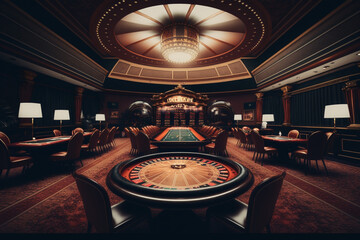
Where the Games Live: A Feature Spotlight on the Casino Lobby Experience
Stepping into an online casino is less about the neon and more about the lobby — the first screen that frames discovery, choice and atmosphere. A well-designed lobby feels like a friendly concierge: it introduces themes, highlights fresh arrivals and creates a rhythm to browsing that keeps the experience lively rather than cluttered. This article takes a close look at the elements that shape that first impression, focusing on the interface tools that help players move from curiosity to comfortable discovery.
Lobby Layouts and Visual Hierarchy
The visual hierarchy of a lobby sets expectations. Large rotating banners often spotlight featured launches or seasonal themes, while neatly organized carousels and grid views let the eye rest and scan quickly. Some lobbies favor rich imagery and animations, giving each title a mini-poster treatment; others prefer compact lists that prioritize density over drama. For a quick look at layouts and terminology used across sites, resources like https://cloud9-casino-au.com/ provide a glimpse into common lobby structures without diving into technical detail.
Beyond aesthetics, the lobby is where content curation happens: what gets front-and-center placement, how promotional spaces rotate, and which collections are assembled for different moods — from high-energy new releases to calm, classic tables. The result is an environment that either encourages lingering and exploration or makes for fast, focused selection, depending on how designers balance imagery, text and interactive elements.
Filters and Sorting: Narrowing the Noise
Filters and sorting tools are the quiet workhorses of a lobby. They reduce overwhelm by letting users refine large libraries into manageable views. Thoughtful filter design respects that people come with different intentions: some are in a browsing mood and want surprises; others have a specific type of game in mind. Clear labels, responsive toggles and meaningful sort options create a sense of control without interrupting the overall flow.
- Common filter categories: game type (slots, table, live dealer), provider/developer, theme or setting, popularity and new releases.
- Typical sort options: featured, newest, highest-rated, and alphabetical — each shaping the browsing experience in subtle ways.
When filters are laid out visually — as chips, dropdowns or side panels — they become part of the lobby’s personality. The most user-friendly designs let filters feel reversible and exploratory rather than restrictive, so trying different combinations becomes part of the pleasure of discovery.
Search, Discovery and Smart Results
Search is the shortcut inside the lobby, and modern implementations do more than match exact titles. Autocomplete, suggested searches and contextual results help a search field behave like a conversation, offering directions and alternatives rather than blank error messages. Discovery tools that blend editorial curation with algorithmic suggestions make search feel smarter over time, showing how a single input can surface related themes, popular studios or complementary experiences.
- Discovery features often include curated playlists, editor’s picks, and dynamically generated “you might like” rows.
- Saved searches and recent searches provide a light memory of past interests without forcing commitment.
Good search design avoids jargon and keeps language plain, so players can type the mood they want — say, “fast-paced” or “retro”— and receive a selection that aligns with that feeling, rather than a cryptic list of technical parameters.
Favorites, Collections and Personal Touches
Favorites and personal collections turn the lobby into a living, personal space. The simple act of marking a game for later builds a catalog that reflects individual taste: a mix of comfort plays, visual standouts and titles saved for a rainy afternoon. Playlists and folders let users create micro-lobbies within the larger site, reducing friction when returning to familiar favorites.
Beyond lists, personalization can surface in subtle UX choices: recently played rows, tailored recommendations based on visible preferences, and notification badges for updates to favorited titles. These cues make the lobby feel attentive, like an environment that remembers what resonated last time and gently points back toward those moments.
Design That Respects Attention
Ultimately, the best lobbies respect attention. They provide enough structure to guide choices while leaving space for serendipity. The feature mix — bold visuals, dependable filters, helpful search and meaningful favorites — works together to make exploration rewarding rather than exhausting. When these pieces align, a lobby becomes less a storefront and more a gateway: an inviting place to browse, discover and enjoy the variety that digital casino entertainment offers.